
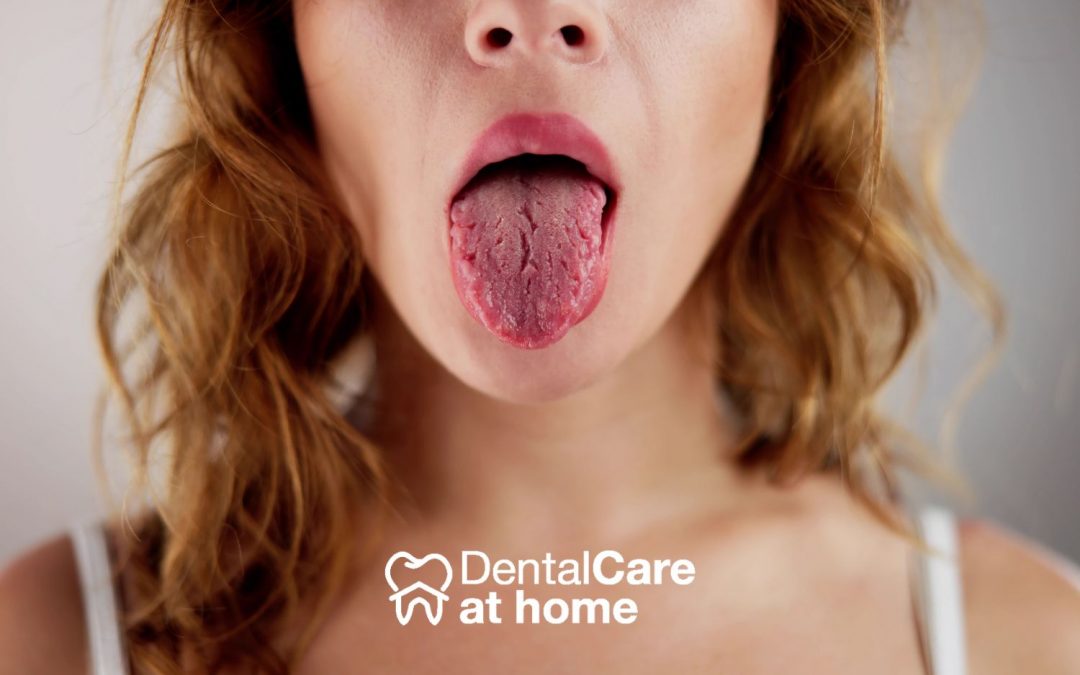
Dry Mouth in Older Adults: Causes, Problems and What Can Help
A dry mouth might sound like a relatively minor problem but when it happens regularly it can become uncomfortable and can have a surprisingly large impact on your oral health.
Dry mouth is particularly common among older adults. You might notice that your mouth feels sticky or uncomfortable, that you need to drink more frequently or that speaking and eating certain foods have become more difficult. Some people also notice changes in their sense of taste or find that their dentures are becoming uncomfortable.
Occasional dryness is normal. Your mouth might feel dry when you wake up or when you have not had enough to drink. Persistent dry mouth is different and is worth paying attention to.
Understanding why it happens is the first step towards managing it.
What Is Dry Mouth?
Dry mouth is exactly what it sounds like. Your mouth is not producing enough saliva to remain comfortably moist.
The medical term for the feeling of a dry mouth is xerostomia.
Saliva might not be something you normally think about but it performs several important jobs throughout the day. It helps keep your mouth comfortable and makes it easier to chew and swallow food. It also helps wash food particles away from your teeth.
Importantly saliva helps protect your teeth against decay by reducing the effects of acids produced after eating and drinking.
When there is not enough saliva present this natural protection is reduced.
That is why persistent dry mouth is not simply about comfort. Over time it can affect the health of your teeth and gums too.
Why Is Dry Mouth More Common as We Get Older?
Getting older does not automatically mean that you will develop a dry mouth.
However many of the circumstances that can contribute to dry mouth become more common as we age.
One of the biggest factors is medication. Older adults are more likely to take regular medicines and dry mouth can be a side effect of a wide range of medications.
Some health conditions can also affect saliva production while dehydration may become more of a problem for people who find it difficult to drink regularly.
Other possible causes include breathing through your mouth and certain medical treatments.
If your dry mouth has appeared after starting or changing medication it is worth discussing this with your GP or pharmacist. You should not stop taking prescribed medication without speaking to the healthcare professional responsible for your care.
What Does Dry Mouth Feel Like?
Dry mouth does not feel exactly the same for everyone.
For some people it is simply a constant feeling of thirst. For others the mouth can feel sticky or uncomfortable.
You may notice:
A dry or sticky feeling inside your mouth
Needing to sip water frequently
Difficulty swallowing dry foods
Changes to your sense of taste
A dry or sore throat
Cracked or dry lips
Bad breath
A burning or uncomfortable sensation in your mouth
Difficulty speaking for longer periods
Problems wearing dentures comfortably
Saliva that feels unusually thick or stringy
If you are caring for somebody else they might not always be able to explain that their mouth feels dry. Changes in eating habits or reluctance to wear dentures can sometimes provide clues that something is uncomfortable.
Why Does Saliva Matter for Your Teeth?
Saliva is one of your mouth’s natural defences against tooth decay.
Every time we eat or drink something containing carbohydrates or sugar the bacteria in our mouths can produce acids. These acids can attack the surface of the teeth.
Saliva helps neutralise these acids and supports the natural processes that protect the enamel.
It also helps physically wash away some of the food and debris left in the mouth after eating.
If saliva levels are consistently low the teeth can become more vulnerable to decay.
This can be particularly important for older adults who still have many of their natural teeth. Fillings and crowns may also create areas where plaque can collect so good oral hygiene becomes even more important when the mouth is dry.
Dry Mouth and Dentures
Dry mouth can also cause problems for people who wear dentures.
Saliva normally helps provide lubrication between the denture and the tissues in the mouth. When the mouth becomes very dry dentures may feel less comfortable and rubbing can become more noticeable.
Some people find their dentures become more difficult to wear for long periods.
If your dentures have suddenly become uncomfortable do not automatically assume that dry mouth is the only reason. The shape of your gums and jaw can change over time which can affect how well a denture fits.
Persistent rubbing or sore areas should be checked by a dental professional.
Drink Water Regularly
One of the simplest things you can do is keep water nearby and take regular sips throughout the day.
For somebody with limited mobility it can help to keep a bottle or cup somewhere that is easy to reach.
Rather than waiting until you feel extremely thirsty try drinking smaller amounts regularly.
Water is generally the best choice for your teeth. Frequently sipping sugary drinks to relieve a dry mouth can significantly increase the risk of tooth decay because your teeth are repeatedly exposed to sugar throughout the day.
Be Careful With Sweets and Lozenges
Sucking a sweet or lozenge can sometimes stimulate saliva production but it is important to check whether it contains sugar.
Regularly sucking sugary sweets throughout the day creates frequent acid attacks on your teeth and can quickly become a problem.
If you use chewing gum or lozenges to help with dry mouth choose sugar-free options where appropriate.
Your dentist or pharmacist may also be able to recommend products specifically intended to help people experiencing dry mouth.
Keep Brushing Your Teeth
Good brushing becomes particularly important if you regularly experience dry mouth.
Brush your natural teeth twice a day using fluoride toothpaste. Take your time and make sure you reach the gum line as well as the front and back surfaces of each tooth.
After brushing spit out the excess toothpaste rather than immediately rinsing your mouth with water. This allows the fluoride from the toothpaste to remain in contact with your teeth for longer.
If holding a traditional toothbrush has become difficult an electric toothbrush or an adapted handle may make brushing easier.
People who need assistance with brushing should have a routine that is comfortable and consistent. A family member or carer may need to help ensure every area of the mouth is cleaned properly.
Think About What You Eat and Drink
A dry mouth can make some foods difficult to eat.
Dry biscuits and crackers may become uncomfortable while softer foods or foods containing more moisture can be easier to manage.
However it is also worth thinking about how often your teeth are exposed to sugar.
Frequent snacking on sugary foods can increase the risk of decay particularly when saliva production is already reduced.
Try to keep sugary foods and drinks to mealtimes rather than consuming them repeatedly throughout the day.
If eating has become difficult because of a persistently dry mouth speak to your GP or another healthcare professional rather than simply removing foods from your diet. Maintaining good nutrition is particularly important as we get older.
What About Mouthwash?
Mouthwash can be useful as part of an oral care routine but it should not be viewed as a replacement for brushing.
If you experience dry mouth you may find some mouthwashes uncomfortable. Products containing alcohol can feel particularly drying or irritating for some people.
Ask your dentist or pharmacist about a mouthwash suitable for your circumstances.
If you use a fluoride mouthwash it is usually better to use it at a different time from brushing rather than immediately washing away the concentrated fluoride left behind by your toothpaste.
Look After Your Dentures and Your Mouth
If you wear dentures they should be cleaned every day.
Food and plaque can collect on dentures just as they can on natural teeth.
Remove them carefully and clean them over a basin containing water or a folded towel so they are less likely to break if you drop them.
Your gums and any remaining natural teeth still need to be cleaned too.
Unless your dental professional has advised otherwise dentures should generally be removed overnight. This gives the tissues underneath them a chance to rest.
If dry mouth is making your dentures uncomfortable or you notice persistent sores arrange for them to be checked.
When Should You Seek Advice?
An occasional dry mouth is usually nothing to worry about.
Persistent dryness is different.
Speak to a dentist GP or pharmacist if your dry mouth continues despite drinking enough water or if it is causing significant discomfort.
You should also seek dental advice if you notice new areas of decay persistent mouth pain bleeding gums unexplained sores or ulcers or changes inside the mouth that are not healing.
Difficulty swallowing or a significant unexplained change in your ability to eat should also be assessed rather than simply accepted as part of getting older.
Caring for Someone With Dry Mouth
If you care for an elderly or housebound person it is worth including dry mouth in their daily oral care routine.
Make sure drinks are accessible and encourage regular hydration where appropriate.
Look for changes in their mouth such as redness cracked lips sore areas or difficulty wearing dentures.
Pay attention to changes in behaviour too. Someone who cannot easily communicate discomfort may start refusing certain foods pulling at their dentures or becoming unsettled around mealtimes.
Small changes can sometimes be the first sign that something is wrong.
Dry Mouth Does Not Have to Be Accepted as Part of Ageing
Dry mouth is common among older adults but that does not mean it should simply be ignored.
Simple changes such as drinking water regularly maintaining good oral hygiene choosing sugar-free products and reviewing your oral care routine can make a noticeable difference.
Most importantly persistent dry mouth should encourage you to think about the underlying cause.
Your mouth plays an important role in eating speaking and enjoying everyday life. Keeping it comfortable and healthy remains important at every age even when getting to a traditional dental practice becomes more difficult.