
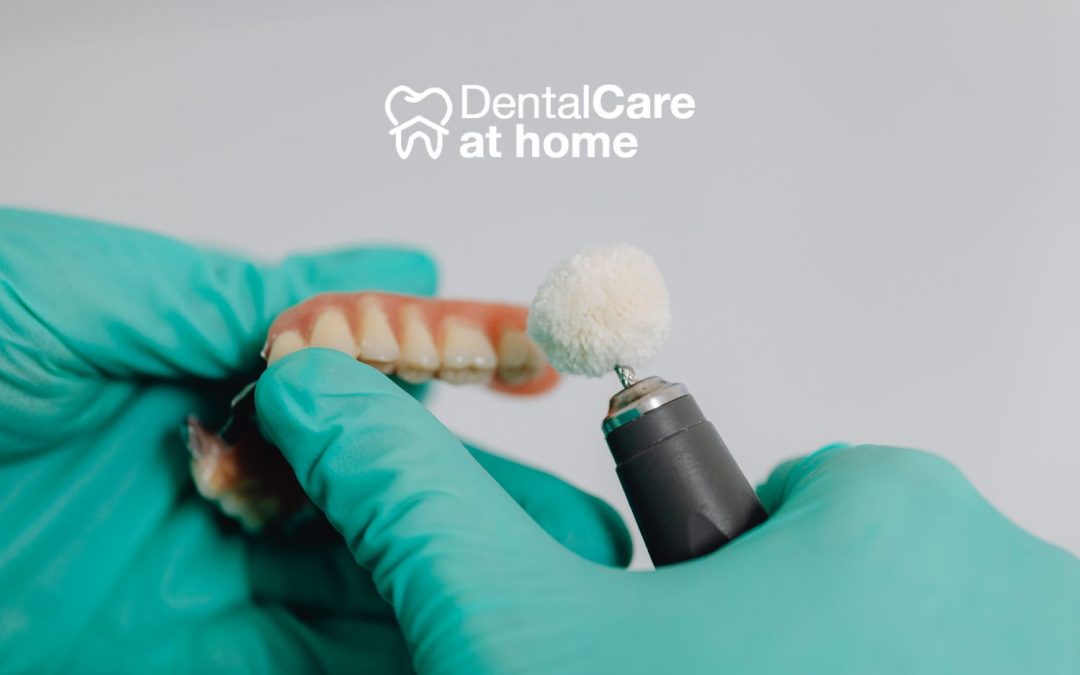
What to Do If a Denture Breaks at Home
Breaking a denture can be upsetting particularly when you rely on it every day for eating speaking and feeling confident around other people.
A denture might crack suddenly while you are eating. A tooth can come away from the denture or it can simply be dropped onto a hard bathroom floor while being cleaned. Sometimes a denture that has been in use for many years can begin to weaken and eventually break without an obvious accident.
Whatever has happened the most important thing is not to panic and not to attempt a repair that could make the problem worse.
Many broken dentures can be professionally repaired. What you do immediately after the damage occurs can make that repair much easier.
Why Do Dentures Break?
Dentures are designed to cope with the pressures involved in everyday use but they are not indestructible.
One of the most common causes of damage is simply dropping them.
Dentures are often removed and cleaned over a bathroom sink. If they slip from your hands and land on a hard surface the impact can cause the denture to crack or break completely.
Age can also play a part. A denture that has been worn for many years may eventually become weaker.
Changes within your mouth can contribute too. Your gums and the bone underneath them can gradually change shape after teeth have been lost. This can alter the way the denture sits and how pressure is distributed when you bite.
If a denture no longer fits properly certain areas may experience greater pressure than they were designed to withstand.
Teeth attached to the denture can also become loose or damaged over time.
What Should You Do First?
If your denture breaks remove it carefully and have a look at what has happened.
Try to collect all of the pieces including any individual denture teeth that have become detached.
Keep everything together in a safe container.
Even a small piece that appears unimportant may be useful to the person carrying out the repair.
Avoid repeatedly trying to fit broken pieces together yourself. This can cause further damage particularly around a crack or thin section of the denture.
If the denture has simply developed a small crack you should still stop wearing it where possible until you have received professional advice.
Continuing to use a damaged denture can cause the crack to spread and turn what might have been a straightforward repair into a more significant problem.
Do Not Use Superglue
It can be extremely tempting to reach for a tube of household glue when a denture breaks.
Please don’t.
Superglue and other household adhesives are not designed for repairing something that sits inside your mouth.
They can also make a professional repair considerably more difficult.
If broken sections are glued together in slightly the wrong position the shape and fit of the denture can be altered. Even a very small change can affect how the denture sits against your gums or how your teeth meet when you bite.
The person repairing the denture may then have to remove the adhesive before they can begin the proper repair.
A quick home fix can therefore make the eventual repair more complicated.
Keep the pieces safe and allow somebody with the appropriate materials and equipment to repair them correctly.
Should You Keep Wearing a Cracked Denture?
It depends on the damage but in general a visibly cracked or broken denture should not continue to be worn without professional advice.
A crack can become larger when pressure is applied during eating.
There is also a risk of a sharp or rough edge irritating the gums tongue or inside of the cheek.
If a denture has broken into separate pieces do not try to hold it together while wearing it.
A loose piece could create additional risks if it becomes detached inside the mouth.
If you are unsure whether the denture is safe to wear contact a dental professional or denture repair service for advice.
What If Just One Tooth Has Come Out?
Sometimes the main denture remains intact but one of the teeth attached to it becomes loose or falls out.
Keep the tooth if you can find it.
Do not attempt to stick it back into position yourself.
The exact position and angle of a denture tooth matters. If it is reattached incorrectly it can affect your bite and may feel uncomfortable when you eat.
A professional repair may be able to reattach the existing tooth or replace it where appropriate.
Again the best thing you can do is keep the denture and loose tooth safely together until they can be assessed.
Can Broken Dentures Be Repaired?
Many can.
The type of repair required depends on what has happened to the denture.
Common repairs include:
Repairing a crack
Joining a denture that has broken into sections
Replacing a missing denture tooth
Reattaching a denture tooth
Repairing certain damaged components
The condition and age of the denture also need to be considered.
Sometimes a repair is the sensible solution. In other circumstances repeated breakages may indicate that there is an underlying problem with the fit of the denture or that replacement should be considered.
Why Did My Denture Break More Than Once?
If the same denture keeps breaking it is worth asking why.
Simply repairing the break each time may not address the underlying problem.
Your mouth changes throughout your life. After natural teeth have been removed the gums and supporting bone can gradually alter shape.
A denture that fitted well several years ago may therefore no longer fit in exactly the same way.
If the denture moves when you eat or pressure is concentrated in particular areas this can place additional stress on it.
Repeated breakages can sometimes be a sign that the denture needs to be assessed rather than continually repaired.
What Should I Do While My Denture Is Being Repaired?
Being without a denture can feel strange especially if you have worn one for many years.
You may need to adjust what you eat temporarily.
Choose foods that you can comfortably manage without the damaged denture and avoid anything that causes pain or difficulty.
Do not be tempted to wear a badly damaged denture simply because you feel uncomfortable being without it.
If you have natural teeth remaining continue brushing them as normal.
Your gums and the rest of your mouth should also continue to be kept clean.
How to Reduce the Risk of Breaking Your Dentures
Accidents cannot always be avoided but a few simple habits can reduce the chance of damaging your dentures.
One of the easiest changes is to be careful about where you clean them.
Instead of holding your denture over an empty ceramic sink fill the basin with some water or place a folded towel underneath your hands.
If the denture slips it then has a softer surface to land on.
Handle dentures carefully when removing them and avoid bending components unnecessarily.
Clean them regularly using an appropriate method rather than aggressively scrubbing them.
It is also worth having the fit checked if your denture has started moving more than usual or has become uncomfortable.
Look Out for Changes in Fit
A denture does not have to break before it needs attention.
Changes can happen gradually so you may become accustomed to a denture that no longer fits as well as it once did.
Signs worth paying attention to include:
The denture moving while you eat or speak
New areas of rubbing
Repeated mouth ulcers
Difficulty chewing foods you previously managed
A change in your bite
Needing considerably more adhesive than before
Cracks beginning to appear
Denture teeth becoming loose
If you notice these changes arrange an assessment rather than waiting for the denture to fail completely.
Denture Adhesive Is Not a Repair Material
Denture adhesive and denture repair are two completely different things.
An appropriate denture adhesive may sometimes help improve stability for somebody who has been advised to use it.
It should not be used to join broken pieces or hold a cracked denture together.
Using increasing amounts of adhesive to compensate for a poorly fitting denture can also hide the fact that the fit itself needs to be assessed.
If you suddenly find that your normal amount of adhesive is no longer sufficient it may be worth seeking professional advice.
What If You Cannot Get to a Dental Practice?
A broken denture can be particularly difficult for somebody who is housebound has limited mobility or cannot easily travel to a dental surgery.
Depending on where you live there may be alternative options available.
Some dental professionals offer domiciliary services where appropriate while denture repair services may offer arrangements that do not require a traditional dental appointment.
Dental Care At Home also offers a postal denture repair service. Your denture can be safely packaged and sent to us for assessment and repair which can be particularly useful if travelling to a dental practice is difficult.
The suitability of a postal repair will depend on the type of damage and the condition of the denture.
When Does a Denture Need More Than a Repair?
A professional repair can restore many damaged dentures but repairing the denture does not necessarily solve problems with the way it fits.
If the denture is very old repeatedly breaks causes persistent discomfort or has become noticeably loose it may need a more thorough assessment.
There may also be changes in your mouth that need attention.
Sore areas persistent ulcers swelling or unexplained changes inside the mouth should not simply be blamed on the denture.
Anything that does not heal or continues to cause discomfort should be assessed appropriately.
A Broken Denture Does Not Always Mean a New Denture
Finding your denture cracked or broken can be alarming but it does not automatically mean that you need to replace it.
Many common forms of denture damage can be repaired professionally.
The best thing you can do is stop using a badly damaged denture keep every piece safely together and resist the temptation to carry out a home repair.
Most importantly avoid superglue and other household adhesives.
A proper repair is designed to restore the denture while maintaining its shape and function. A home repair may achieve the opposite.
Once your denture has been repaired it is also worth considering why it broke in the first place. If it was simply dropped then taking a little extra care during cleaning may prevent the same thing happening again.
If breakages are becoming frequent or the denture no longer feels comfortable it could be telling you that something has changed.
Getting the right advice can help you return to eating speaking and smiling comfortably as quickly as possible.