
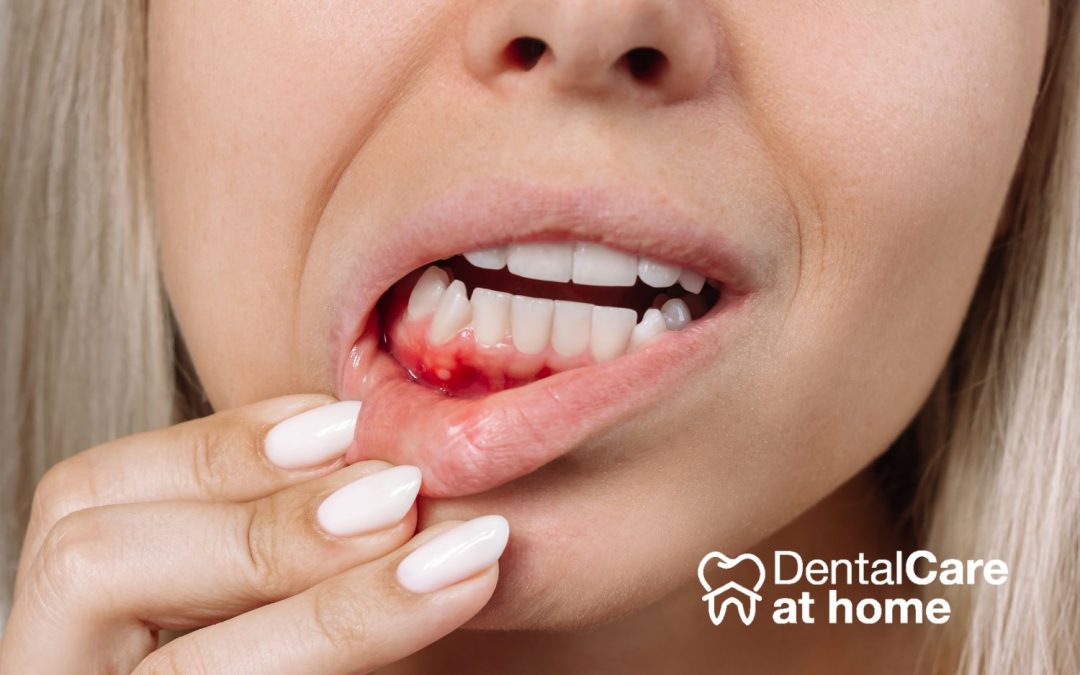
Bleeding Gums: When Is It Something to Worry About?
Seeing blood when you brush your teeth can be alarming. You might notice a little pink in the sink after brushing or blood on your toothbrush. For some people it happens occasionally while for others bleeding gums become such a regular occurrence that they almost stop noticing it.
Bleeding gums are common but that does not mean they should simply be ignored.
In many cases bleeding is caused by inflammation around the gums and improving your daily oral hygiene can make a significant difference. There are however other reasons gums can bleed and persistent or unexplained bleeding should be checked by a dental professional.
This is particularly important for older people and anyone who finds it difficult to maintain their usual oral care routine.
Understanding why gums bleed is the first step towards knowing what you can do about it.
Why Do Gums Bleed?
Healthy gums should not normally bleed during gentle brushing.
One of the most common reasons for bleeding is a build-up of plaque around the teeth and gum line.
Plaque is a soft sticky film containing bacteria that constantly forms on our teeth. If it is not removed effectively the gums can become irritated and inflamed.
This early stage of gum disease is known as gingivitis.
Inflamed gums may appear redder than usual and can become swollen or tender. They can also bleed much more easily when touched by a toothbrush or when cleaning between the teeth.
The frustrating part is that some people notice bleeding when they brush and respond by brushing the area less.
This can make the problem worse.
If plaque is causing the inflammation avoiding the area allows more plaque to accumulate. The gums can then become increasingly irritated.
Should You Stop Brushing If Your Gums Bleed?
Usually no.
If your gums are bleeding because of plaque and inflammation it is important to continue cleaning your teeth and gum line carefully.
The aim is not to scrub the gums aggressively. Instead use a soft toothbrush and gentle controlled movements to clean where the teeth meet the gums.
If you have recently started brushing more thoroughly after a period of less effective cleaning you may initially notice some bleeding from inflamed areas.
With regular effective cleaning the inflammation may begin to settle and the bleeding should reduce.
If bleeding continues despite good oral hygiene or becomes worse you should arrange a dental assessment.
How Should You Brush Bleeding Gums?
Good technique is more important than applying lots of pressure.
Use a soft or medium toothbrush with a small enough head to comfortably reach all areas of the mouth. An electric toothbrush can also be helpful particularly for somebody who has limited dexterity.
Position the bristles so that you clean along the gum line as well as the visible surfaces of the teeth.
Take your time and work systematically around the mouth.
Pressing harder does not necessarily clean better. Aggressive brushing can make the gums sore and may contribute to wear around the teeth.
Brush twice a day with fluoride toothpaste and avoid rinsing your mouth with water immediately afterwards. Spit out the excess toothpaste instead so that some fluoride remains around the teeth.
Cleaning Between Your Teeth Matters Too
A toothbrush cannot effectively clean every surface of every tooth.
Plaque can accumulate between the teeth where ordinary toothbrush bristles struggle to reach. This is why cleaning between the teeth is an important part of maintaining healthy gums.
Depending on the spaces between your teeth you may be advised to use dental floss or interdental brushes.
Interdental brushes are small brushes designed specifically for cleaning the spaces between teeth. They are available in different sizes.
If you are unsure which type or size is appropriate for you a dentist or dental hygienist can advise you.
Again you may initially notice some bleeding if the gums between your teeth are already inflamed.
Regular gentle cleaning can help improve gum health over time.
Can Dentures Cause Bleeding Gums?
Dentures themselves do not cause gum disease in the same way that plaque around natural teeth does but they can contribute to irritation inside the mouth.
A poorly fitting denture can rub against the gums and create sore areas.
Food and plaque can also collect around dentures so both the denture and the mouth need to be cleaned regularly.
If you wear partial dentures it is particularly important to clean the remaining natural teeth carefully including the areas around any clasps.
Dentures should also be removed and cleaned according to the advice you have been given.
If you notice bleeding underneath a denture or a persistent sore area do not simply assume that it is normal denture irritation.
Have it checked especially if it does not heal.
What Is Gum Disease?
Gum disease describes conditions affecting the tissues supporting the teeth.
The early stage is gingivitis where the gums become inflamed because of plaque accumulation.
At this stage you may notice bleeding redness or swelling.
If gum disease progresses it can affect the structures that support the teeth. This more advanced form is called periodontitis.
Over time periodontitis can result in the gums pulling away from the teeth and loss of the bone supporting them. Teeth can eventually become loose.
One of the difficulties with gum disease is that it is not always painful.
Someone can therefore have a significant problem without experiencing the type of pain that would normally encourage them to seek help.
Bleeding gums can be one of the early warning signs.
Why Are Older People Particularly at Risk?
Gum disease can affect adults of any age but maintaining oral hygiene may become more difficult as we get older.
Arthritis can make holding and controlling a toothbrush difficult. Reduced mobility can make getting to the bathroom more challenging and conditions affecting memory can make regular oral care harder to maintain.
Some people also rely on carers or family members to help with brushing.
Dry mouth can create additional oral health problems and becomes more common in some older adults particularly as a side effect of certain medicines.
This means changes such as bleeding gums should not simply be dismissed as part of getting older.
Healthy gums remain important throughout life.
What If Someone Needs Help Brushing Their Teeth?
For someone with reduced mobility or dexterity small changes can make oral care much easier.
An electric toothbrush may require less hand movement than a manual toothbrush.
A toothbrush with a larger handle can be easier to grip. There are also adapted handles and other oral care aids designed for people who struggle with fine hand movements.
If another person is providing assistance it can help to establish a consistent routine.
Good lighting and a comfortable position can also make a surprisingly large difference.
The objective is thorough gentle cleaning rather than rushing through brushing because it has become difficult.
Can Mouthwash Help Bleeding Gums?
Mouthwash can be useful in certain circumstances but it should not be considered a replacement for brushing and cleaning between the teeth.
Physical removal of plaque remains important.
If you use a fluoride mouthwash it is generally better to use it at a different time from brushing so that you do not wash away the concentrated fluoride left by your toothpaste.
Some medicated mouthwashes may be recommended for specific gum problems but these should be used according to professional advice and the manufacturer’s instructions.
If your gums regularly bleed do not rely on mouthwash alone to solve the problem.
The underlying cause still needs to be addressed.
Can Medicines Make Gums Bleed More Easily?
Some medicines can affect bleeding or the health of the gums.
For example people taking medicines that reduce the blood’s ability to clot may notice bleeding more readily.
This does not mean you should stop taking prescribed medication because your gums bleed.
Never alter prescribed medication without speaking to the appropriate healthcare professional.
Instead tell your dentist what medicines you take. This information can be important when assessing your mouth and planning any treatment.
When Should You Seek Professional Help?
An occasional small amount of bleeding after accidentally brushing too hard may not necessarily indicate a serious problem.
Regular bleeding is different.
You should consider arranging a dental assessment if your gums repeatedly bleed when you brush or clean between your teeth.
Other signs that deserve attention include swollen gums persistent redness bad breath that does not improve loose teeth or gums that appear to be receding.
Pain swelling or difficulty eating should also be investigated.
If bleeding appears suddenly and is unusually heavy or difficult to stop seek appropriate medical or dental advice promptly.
Do Not Ignore Persistent Mouth Changes
It is important to pay attention to changes anywhere inside the mouth and not only the teeth.
Persistent ulcers unexplained lumps unusual red or white patches or areas that continue to bleed should be professionally assessed.
Most changes inside the mouth will not turn out to be anything serious but it is important that persistent symptoms are examined rather than ignored.
As a general rule an ulcer or unexplained mouth change that has not healed within three weeks should be checked by a dentist or doctor.
Regular oral examinations remain important even for people who have few or no natural teeth.
What If You Cannot Get to a Dentist?
For people who are housebound elderly or living with mobility difficulties attending a traditional dental practice can be challenging.
That should not mean oral health problems are simply accepted.
Domiciliary dentistry allows suitable patients to receive dental care in their own home or care setting. The exact treatment that can be provided will depend on the individual circumstances but an assessment can help identify problems and determine what should happen next.
Family members and carers can also play an important role by noticing changes that the person themselves may not recognise.
If you are helping somebody with their oral care look out for bleeding swelling discomfort difficulty eating or changes in their normal behaviour when their mouth is being cleaned.
Bleeding Gums Are a Sign Worth Paying Attention To
Bleeding gums are common but they are not something that should simply become part of your normal brushing routine.
Often the cause is inflammation linked to plaque and the solution begins with better daily cleaning.
Brush gently but thoroughly twice a day and clean between the teeth where possible. Do not avoid an area simply because it bleeds.
At the same time pay attention to what your mouth is telling you.
If bleeding continues despite good cleaning or is accompanied by swelling pain loose teeth persistent sores or other unexplained changes arrange a professional assessment.
Looking after your gums is just as important as looking after your teeth. A few minutes of effective cleaning each day and getting problems checked when they appear can make an enormous difference to your oral health in the years ahead.